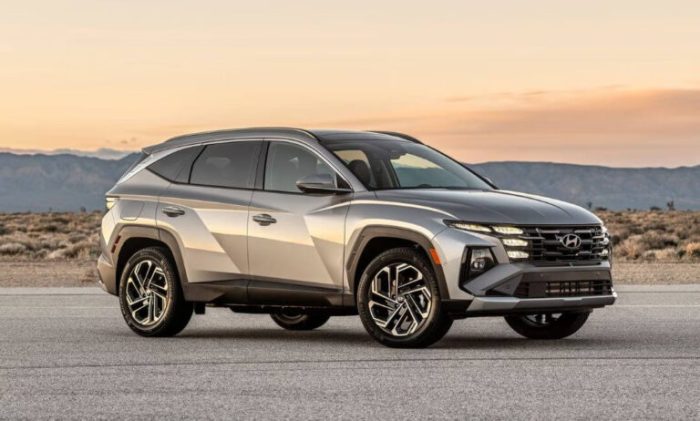
Hybrid safety standards 2025 sets the stage for an exciting transformation in the automotive world, highlighting the intersection of innovation and safety. As hybrid vehicles become increasingly prevalent, understanding the upcoming safety regulations is crucial for manufacturers and consumers alike. These standards aim to enhance safety features while promoting energy efficiency, ensuring that the evolving landscape of automotive technology prioritizes the well-being of all road users.
The anticipated changes in safety regulations by 2025 will bring significant implications for vehicle manufacturers, auction houses, and repair shops. Improved safety technologies will redefine how hybrid vehicles engage with consumers and the market, leading to a more transparent and secure automotive experience.
Hybrid Safety Standards Overview
Hybrid safety standards play a crucial role in shaping the automotive industry, particularly as we approach 2025. With the increasing prevalence of hybrid vehicles, the need for comprehensive safety regulations is more important than ever. These standards not only aim to protect passengers but also to enhance the overall safety of the driving experience in hybrid models.As we look ahead to 2025, significant changes in safety regulations are expected.
Authorities will likely implement more stringent requirements that align with advancements in technology and consumer expectations. This includes improved crash test protocols, more robust electronic safety systems, and a stronger emphasis on battery safety. Vehicle manufacturers will need to adapt their designs and production processes to comply with these evolving standards, which will ultimately benefit consumers by providing safer vehicles.
The Role of Hybrid Vehicles
Hybrid vehicles offer numerous safety benefits that are increasingly being recognized in the automotive market. One of the standout features is their incorporation of advanced safety technologies that work in tandem with their hybrid systems. This integration not only improves fuel efficiency but also enhances safety features such as collision avoidance systems and adaptive cruise control.Recent advancements in safety technologies specifically designed for hybrid cars include improvements in battery management systems that prevent overheating, enhanced regenerative braking systems that provide smoother deceleration, and the use of lightweight materials that improve crash safety.
Hybrid energy efficiency also contributes to overall vehicle safety; by consuming less fuel and producing fewer emissions, hybrids are generally less prone to mechanical failures that could lead to accidents.
Safety Standards for Automotive Auctions
The implications of hybrid safety standards extend to automotive buying and selling auctions. As these standards become more stringent, auction houses will need to adapt their evaluation processes to ensure compliance. This may involve integrating safety checks into the auction protocol, thus providing potential buyers with greater confidence in the vehicles being sold.Auction houses will likely implement comprehensive certifications that demonstrate a vehicle’s compliance with hybrid safety standards.
This may include detailed safety evaluations and transparent reporting on a vehicle’s safety features. Transparency in safety evaluations is vital, as it helps build trust between sellers and buyers while ensuring that all parties are aware of the vehicle’s condition and safety compliance.
Automotive Repairs and Maintenance
As hybrid safety standards evolve, they will influence automotive repair practices significantly. Mechanics will need to familiarize themselves with the new standards to ensure they can properly service hybrid vehicles. This includes understanding the unique safety features and components specific to hybrids, such as high-voltage electrical systems.To maintain the safety and performance of hybrid vehicles, a list of recommended maintenance checks should include:
- Battery health assessment and management
- Hybrid drive system diagnostics
- Regular brake inspections, especially for regenerative braking systems
- Tire condition and pressure monitoring
- Cooling system checks to prevent overheating
Mechanics will also require specialized training to comply with the new safety standards, focusing on both technical skills and safety practices to ensure the vehicles they service are safe and reliable.
Car Detailing and Customization
Incorporating safety standards into automotive detailing and customization is essential. Detailing processes should not compromise the safety features of hybrid vehicles. For example, while customizing the interior, it’s crucial to ensure that no modifications obstruct airbags or other safety systems.Methods for customizing hybrid vehicles while maintaining safety compliance include:
- Using certified materials that meet safety standards
- Retaining access to critical safety components during customization
- Consulting with safety experts before making significant modifications
Best practices for detailing that enhance aesthetics and safety features include cleaning and maintaining all safety systems and ensuring that any added accessories do not interfere with the vehicle’s safety features.
Classic Cars and Hybrid Innovation
Comparing traditional classic cars with modern hybrids reveals significant differences in safety standards. Classic cars often lack the advanced safety technologies found in hybrids, such as electronic stability control and advanced airbag systems. However, there’s a growing interest in retrofitting classic cars to meet new hybrid safety standards.The challenges of retrofitting classic cars include:
- Integrating modern safety features without compromising the original design
- Ensuring that new systems are compatible with older technology
- Addressing regulatory compliance for modified vehicles
Innovative solutions for integrating hybrid technology into classic vehicles involve using conversion kits that install hybrid systems while preserving the car’s classic appeal, thus offering a perfect blend of nostalgia and modern safety.
Mobile Audio and Video Safety Considerations
Hybrid safety standards significantly affect mobile audio and video installations in vehicles. It’s essential to adhere to safety guidelines to ensure that aftermarket electronic systems do not interfere with existing safety features. This includes avoiding alterations that could impede airbags or essential vehicle operations.Safety guidelines for installing aftermarket electronic systems in hybrids involve:
- Using equipment that complies with industry safety standards
- Ensuring that installations do not obstruct visibility or access to critical controls
- Maintaining clear wiring routes to prevent electrical hazards
Technology plays a crucial role in the overall safety of hybrid vehicles. Advanced audio and video systems can enhance driver awareness, providing features such as navigation cues and alert notifications that promote safer driving practices.
SUVs, Trucks, and Vans: Meeting Hybrid Safety Standards
Hybrid SUVs, trucks, and vans face unique safety challenges that require tailored solutions. Larger vehicles often have different handling characteristics and crash dynamics, necessitating specific design considerations to enhance safety.Design considerations for larger hybrid vehicles include:
- Improving structural integrity to withstand impact
- Incorporating advanced driver assistance systems to aid in navigation and obstacle detection
- Enhancing visibility through design modifications and technology
Examples of hybrid models that excel in safety ratings include certain SUV brands renowned for their comprehensive safety features and crash test performance, showcasing how hybrid innovation can lead to both sustainability and enhanced safety.
Motorcycles and Hybrid Technology
The emerging trends in hybrid technology for motorcycles are poised to revolutionize rider safety. Hybrid motorcycles are beginning to incorporate electric powertrains that provide additional torque and efficiency, which can enhance rider control and stability.Key safety standards that apply to hybrid motorcycles include:
- Adherence to braking performance standards
- Compliance with visibility and lighting regulations
- Integration of electronic stability control systems
Hybrid features can enhance rider safety by providing quicker acceleration in critical situations, improved traction control, and advanced braking systems that work together to minimize the risk of accidents on the road.
Final Thoughts
In conclusion, hybrid safety standards 2025 not only promise a safer driving experience but also encourage innovation across various sectors within the automotive industry. As we move towards a future where hybrid vehicles continue to thrive, adherence to these standards will be essential for ensuring safety, reliability, and consumer trust. Embracing these changes will ultimately benefit everyone, from manufacturers to drivers, enhancing the overall automotive landscape.
Commonly Asked Questions
What are hybrid safety standards?
Hybrid safety standards are regulations designed to enhance the safety features of hybrid vehicles, ensuring they meet specific safety criteria on the road.
How will these standards affect vehicle prices?
While there may be initial increases in prices due to compliance costs, improved safety ratings could enhance resale value and consumer confidence in the long run.
Are hybrid safety standards applicable globally?
While many countries will adopt similar standards, specific regulations may vary based on local laws and market conditions.
What role do consumers play in hybrid safety standards?
Consumers can influence safety standards by demanding more transparency and accountability from manufacturers regarding safety features and compliance.
How often will hybrid safety standards be updated?
Safety standards are typically reviewed and updated every few years to keep pace with technological advancements and emerging safety concerns.


